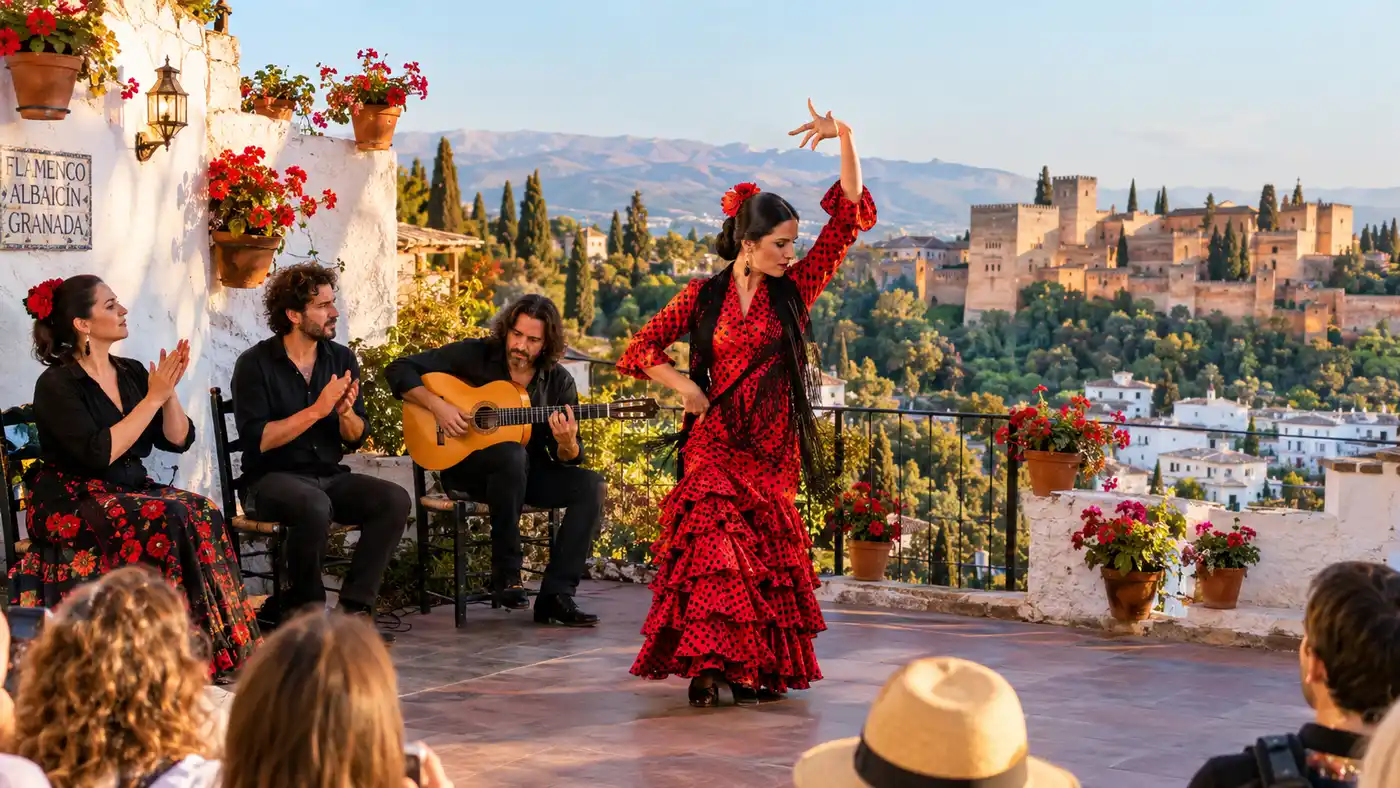
Flamenco Shows in the Albaicín Granada
Cobblestones in the Albaicín have a habit of eating thin shoes. You walk up from Plaza Nueva, catching your breath on the incline of Calle San Juan de los Reyes, and the sound of the city below cuts out entirely. Around the next corner, behind a whitewashed wall covered in night-blooming jasmine, somebody strikes a wooden stage with a boot heel. Finding an authentic tablao flamenco albayzin takes you straight into the pulse of this old Moorish quarter, where music is not just put on for tourists, but woven into the stones of the hillside.
Granada has plenty of spots to see flamenco, but this neighborhood has a distinctive texture. Unlike the raw cave spectacles across the valley, a performance here often happens in converted cisterns, sixteenth-century courtyards, or intimate neighborhood clubs founded by locals who know every rhythm by heart. This guide breaks down the best places to catch a show, how the venues differ, and what you need to know before climbing the hill.
Book your flamenco show granada experience:
Finding the Right Tablao Flamenco Albayzin Granada
The neighborhood spreads across a steep ridge opposite the Alhambra, divided between the bustling lower quarter and the quiet, labyrinthine upper reaches. Where you choose to sit matters. Some stages offer an open-air garden setting under pomegranate trees, while others pack forty people into an ancient vaulted cellar with zero ventilation and spine-chilling acoustics. Both have their charm, depending on whether you want a glass of chilled wine under the stars or sweat dripping off the floorboards onto your shoes.
Peña La Platería sits tucked away on Placeta de Toqueros, and it happens to be the oldest flamenco club in Spain, established back in 1949. It operates as a private cultural association rather than a commercial theater. On Thursday nights around 9:00 PM, they open their doors to outsiders for a modest entry fee, usually around 15 euros. There are no flashbulbs, no tourist bus crowds, and no rehearsed choreography designed to pander. The guitarists test their strings, the singer takes a sip of room-temperature tap water, and the performance unfolds with raw, unvarnished intensity.
Further up into the Albaicín alto, Jardines de Zoraya offers a completely different rhythm. Set inside a traditional carmen - a walled villa with an interior orchard garden - this venue lets you eat dinner outdoors before moving toward the sheltered stage area. Shows run three times an evening during peak months, usually at 6:30 PM, 8:30 PM, and 10:30 PM. It caters to travelers, sure, but the talent they book is remarkably sharp. You will see young dancers from Seville and Jerez working through blistering bulerías that leave the front row dusting wood splinters off their laps.
For something atmospheric and slightly Gothic, the Palacio de los Olvidados on Cuesta de Santa Inés stages intimate concerts in a courtyard dating back to the sixteenth century. The stone walls trap the percussion of the cajón box drum, bouncing the sound up toward open rafters. It feels regal, quiet, and deeply historic.
Pro tip: At Peña La Platería, arrive 25 minutes before showtime to grab a seat in the second row center; the front row puts your knees against the stage monitors, while row three sits behind tall wooden pillar supports.
Albaicín Caves vs. Traditional Stages: What Sets Them Apart
Travelers often confuse the Albaicín with its wilder neighbor, Sacromonte. If you wander east along the Camino del Sacromonte, the hill becomes riddled with whitewashed subterranean homes dug directly into the rock. Those famous spaces focus on zambra, a communal Gypsy ritual you can read about in our guide to the flamenco caves of Sacromonte. The Albaicín, by contrast, favors the classic tablao format, inherited from nineteenth-century singing cafes where solo artistry takes precedence over group folkloric dances.
Still, you will encounter spaces marketed as cuevas albaicin flamenco. A few venues sit along the border gully between the two neighborhoods, particularly around Cuesta del Chapiz. El Templo del Flamenco is carved deep into the hillside rock, boasting a cavernous nave that looks almost like an underground cathedral. The ceiling arches overhead, whitewashed and rough-hewn, creating a deep, resonant echo chamber that amplifies the singer's voice until you feel it vibrating in your ribs.
Choosing between an albaicin caves venue and a garden carmen comes down to sensory preference. The cave retains constant cool air from the earth, smells faintly of chalk and lime, and encloses you in near darkness. A courtyard venue lets you look up between guitar solos to see the illuminated battlements of the Alhambra blazing amber against the dark ridge. Both capture the spirit of albaicin flamenco, but they deliver entirely separate moods.
| Venue | Setting Type | Approx. Price | Show Times | Food / Drinks |
|---|---|---|---|---|
| Peña La Platería | Cultural club patio | €15 - €18 | Thursdays at 21:00 | Simple bar, tapas |
| Jardines de Zoraya | Carmen garden courtyard | €25 - €30 | 18:30, 20:30, 22:30 | Full dinner menu |
| El Templo del Flamenco | Large natural cave | €26 - €32 | 20:00, 22:00 | Tapas or set dinner |
| Palacio de los Olvidados | Renaissance palace patio | €20 - €24 | 19:30, 21:00 | Drink included |
The Sound of Flamenco en el Albaicín: What to Expect
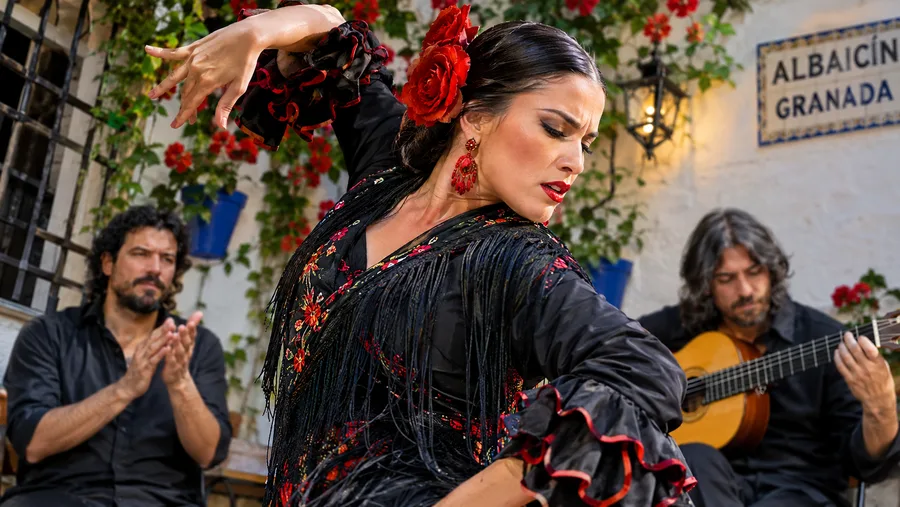
If you have never attended a live performance in Andalusia, forget the castanets and polka-dot dresses you see on cheap fridge magnets. Serious flamenco albaicin granada shows are built on tragedy, pride, and blistering technical mastery. A standard performance runs between 60 and 75 minutes, featuring four key elements:
- El Cante: The vocal performance, raspy, guttural, and emotionally raw, setting the melodic boundaries of the palo (rhythmic style).
- El Toque: The nylon-string guitar work, alternating between furious rasgueado strumming and delicate thumb-picked melodies.
- El Baile: The dance itself, shifting from tense stillness to sudden bursts of lightning-fast footwork called zapateado.
- Las Palmas: Complex, syncopated handclapping that keeps the erratic 12-beat rhythms locked in place like clockwork.
The pacing usually catches first-time visitors off guard. The show often starts slow with a solo guitar piece or a mournful soleá sung without accompaniment. The dancer sits quietly on a simple wooden chair, waiting for the spirit - what locals call el duende - to arrive. When the dancer finally rises, every movement is deliberate: hands carving arcs through the air, torso held rigid, feet striking the timber planks with bone-jarring precision.
Expect loud shouts from the musicians during the performance. Cries of "¡Olé!", "¡Vamos!", or "¡Toma que toma!" are not rehearsed stage lines. They are spontaneous encouragements called jaleo, thrown out when a guitarist hits an impossible counter-melody or a dancer resolves a frantic turn cleanly on the beat. If you want to dive deeper into low-key, non-commercial venues where this interaction happens every night, look into our notes on authentic and budget flamenco in Granada.
Note: Photography rules are strictly enforced in most Albaicín tablaos; video recording is usually banned entirely, though performers often permit photos during the final five-minute fin de fiesta bow.
Book your flamenco show granada experience:
Navigating the Cobblestones to Your Tablao en el Albaicín
Getting to a show in the upper neighborhood requires a game plan. The district was planned in medieval times to confuse invading soldiers, meaning streets twist back on themselves, turn into dead-end courtyards, or suddenly become flights of damp stairs. Navigation apps frequently lose satellite signal among the tall, whitewashed walls.
Walking up from Plaza Nueva takes about 20 to 25 minutes of steady climbing. Cuesta de San Gregorio and Cuesta de San Agustín are particularly steep. If your knees hate vertical climbs or you are wearing heels - which I strongly advise against - walk down to Plaza Nueva or Gran Vía and catch the red C31 or C32 city minibus. These tiny buses run every 10 to 12 minutes, rattling wildly through alleys so narrow the side mirrors skim the walls. Hop off at San Nicolás or Placeta del Abad to reach the upper venues downhill.
Coming back down after an evening show is magical. By 11:30 PM, the tour groups have vanished. The lanterns cast soft amber circles on the stone pavements, and you will hear water murmuring in ancient Moorish fountains. It is safe, peaceful, and feels centuries removed from modern life. Stick to well-lit main arteries like Calle Panaderos or Camino Nuevo de San Nicolás as you descend toward the river.
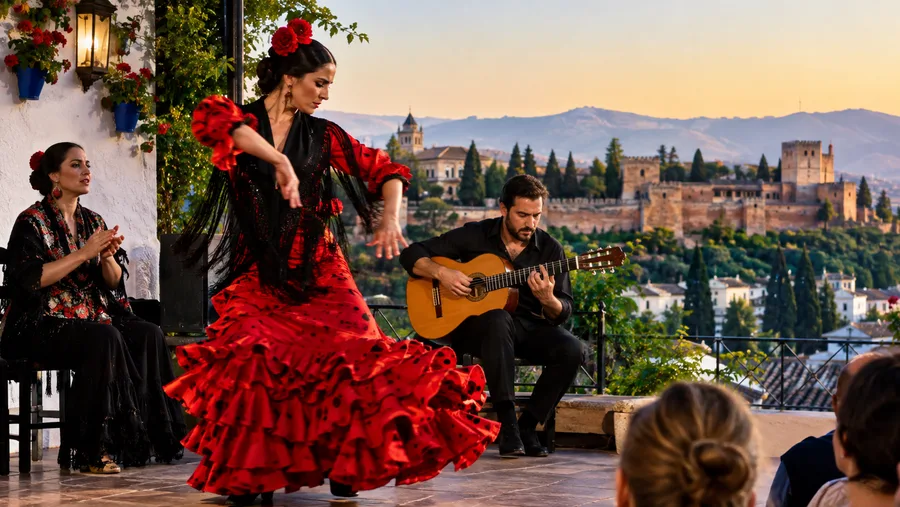
Planning Your Evening Around an Albaicín Flamenco Show
Do not simply show up for the performance and leave. The entire neighborhood deserves an afternoon and evening itinerary built around the rhythm of the performance.
- Sunset at Mirador de San Nicolás: Watch the sun set behind the Alhambra roughly an hour before an evening show, when the red fortress walls glow like hot embers.
- Pre-show tapas: Grab a caña of Alhambra Especial beer and a plate of fried puntillitas (baby squid) at Bar Kiki or Los Mascarones.
- Ticket reservations: Book independent tablaos at least 48 hours in advance during spring and autumn, as room capacities rarely exceed 70 guests.
- Dress code: Smart casual works everywhere; swap dress shoes with slick leather soles for rubber-soled footwear that grips wet cobblestone paving.
A smart evening starts around 7:00 PM at the overlook, drifting down toward your tablao flamenco albayzin venue around 8:15 PM, catching the 9:00 PM performance, and wrapping up with a nightcap of sweet local Pedro Ximénez sherry in a quiet corner bar along the Paseo de los Tristes. The rhythm fits the mountain air, unhurried and completely captivating.
Frequently Asked Questions about tablao flamenco albayzin
What should I wear to a flamenco show in the Albaicín?
Smart-casual clothing is standard. Avoid slick-soled dress shoes or high heels, as the cobblestone streets are polished smooth and can be slick, especially on downhill sections.
Is it better to book a show with dinner included?
Honestly, booking a ticket that only includes a drink usually gives you a better experience. You can enjoy superior, cheaper tapas at local neighborhood bars before or after the performance rather than eating an overpriced set menu in a rush.
Are children allowed into Albaicín flamenco venues?
Most commercial venues like Jardines de Zoraya welcome children, often with discounted tickets for kids under twelve. Traditional peñas, however, may feel too quiet and formal for young toddlers who cannot sit still for an hour.
How far in advance should I purchase tickets?
Between April and June, and again in September and October, reserve three to four days early. For smaller spots like Peña La Platería, check their weekly schedule online and buy your pass the day they release them.
Quick Reference
- Show length: 60 - 75 minutes
- Ticket prices: €15 to €32
- Key access bus: C31 or C32 from Plaza Nueva
- Best time for photos: Only during the final bow
Book your flamenco show granada experience:
My Take
If you only have one night in Granada, do not spend it watching a watered-down show in a noisy hotel lobby downtown. Make the trek up the hill. The physical journey through the darkened, twisting alleys of the Albaicín prepares you for what you are about to hear. When the singer leans into the microphone and tears out a verse from a century-old song, surrounded by rough stone and quiet lemon trees, you will understand why flamenco took root right here on this ridge. Book a small venue, leave your stilettos at home, and listen closely.
Read more about flamenco show granada.